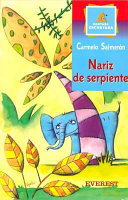
Nariz de Serpiente
La Isla de los Monos, como su nombre sugiere, esta habitada por monos y nada mas que monos. Todos llevan una vida muy pacifica hasta que un dia un extrano visitante llega y todo cambia. Una divertida historia sobre la convivencia y la diferencia.
Sobre los autores
1 libro en la biblioteca

2 libros en la biblioteca
Carmelo Salmerón es un reconocido escritor español, especialmente célebre por su prolífica obra en la literatura infantil y juvenil. Nacido en Madrid, su incursión en el ámbito literario se consolidó tras una previa carrera como Ingeniero de Telecomunicación, profesión que ejerció hasta el año 1995. Su transición hacia la escritura marcó el inicio de una etapa dedicada plenamente a la creación de historias, muchas de ellas concebidas en colaboración con su esposa, la también autora Concha López Narváez. La obra de Salmerón se caracteriza por cuentos y relatos que han cautivado a jóvenes lectores, abordando temáticas diversas con un estilo accesible y didáctico. Entre sus títulos más destacados se encuentran "Nariz de serpiente" (2008), "La leyenda del viajero que no podía detenerse" (2004), "La rueda de Satán" (2002) y "Tinka" (1998), entre otros. Su legado literario refleja un compromiso con la imaginación y la transmisión de valores a través de narrativas entretenidas y significativas, estableciéndolo como una figura importante en la literatura infantil en español.
Los lectores también disfrutaron




Comentarios
0 comentariosÚnete a la conversación
Inicia sesión para compartir tu opinión, responder a otros y votar comentarios.
Iniciar sesiónAún no hay comentarios sobre este libro
¡Sé el primero en compartir tu opinión!